
Pressing hard does not clean more effectively. It can irritate gums, bend the bristles, and contribute to wear at the gumline.
Signs of excessive pressure
- the brush head bristles splay quickly,
- gums are sore after brushing,
- gums begin to recede,
- teeth become sensitive to cold,
- horizontal scrubbing motions are visible,
- a brush with a pressure sensor frequently issues warnings,
- brushing causes discomfort rather than a clean feeling.
How can you reduce pressure?
- Hold the toothbrush more loosely.
- Choose soft bristles.
- Use small, gentle movements.
- Do not try to force away stains.
- Ask a dental hygienist to evaluate your technique.
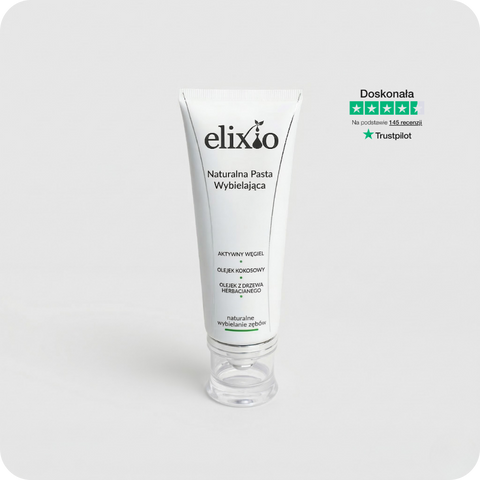
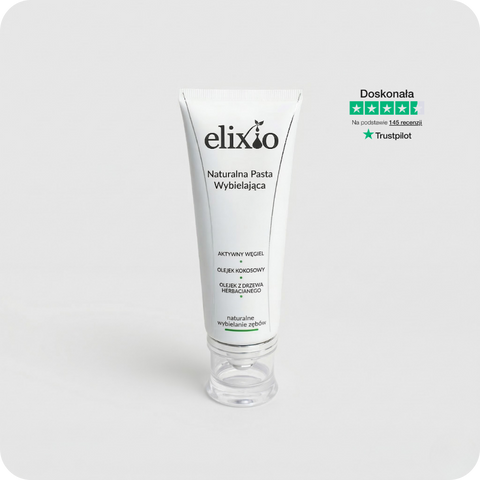
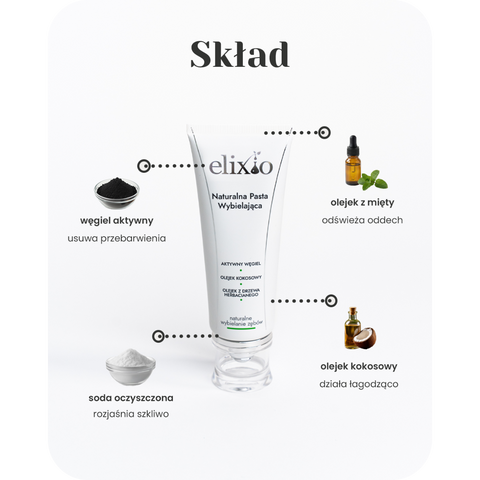
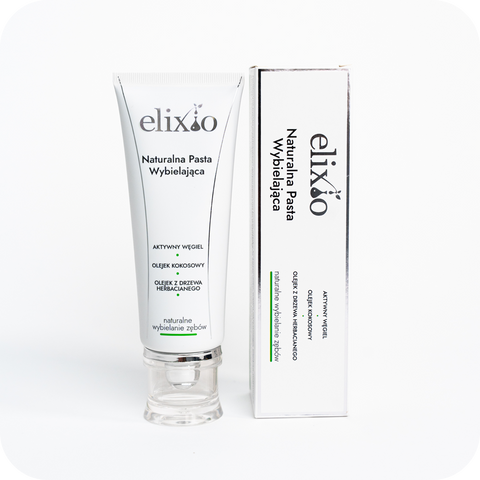
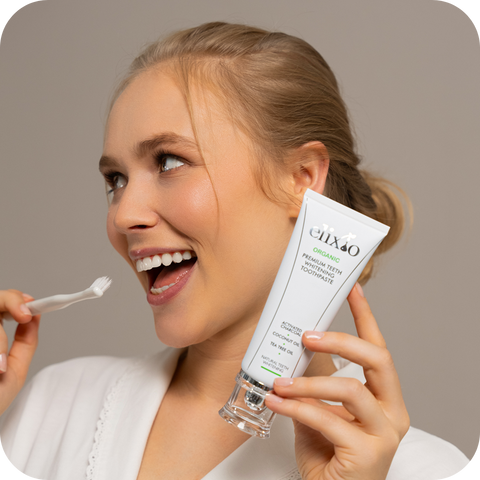
Charcoal toothpaste should also be used gently. Read the brushing instructions.
FAQ
Does bleeding mean I need to brush harder?
No. Persistent bleeding requires an assessment of the gums.
Does a hard-bristled toothbrush remove plaque better?
It is not necessary for most people and may increase the risk of injury.