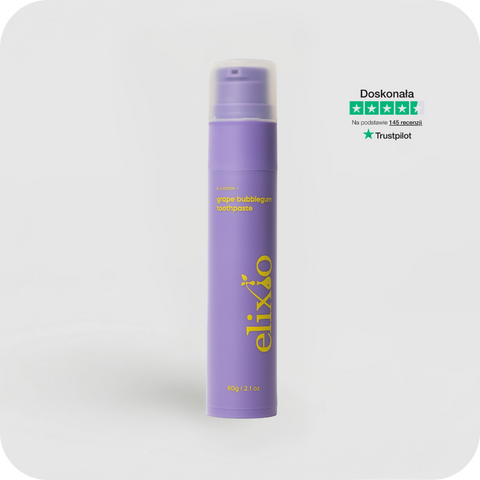

Bubblegum toothpaste is often associated with children, but flavour does not determine a user’s age. Adults may also dislike strong mint, its cooling effect or stinging sensation. Always check the age guidance and whether the complete formula suits the user’s oral-care needs.
Why do adults choose bubblegum flavour?
- Dislike of strong mint.
- Sensitive oral tissues.
- A need for more variety.
- More motivation to brush for two minutes.
- A preference for sweeter aromas.
A pleasant flavour may improve comfort, but it does not replace good technique and regularity.
Is bubblegum exclusively for children?
No. Age guidance, active ingredients, fluoride concentration and manufacturer instructions determine use. A sweet taste does not automatically make a product suitable for a young child.
What should you check for a child?
- Age on the packaging: follow the manufacturer.
- Fluoride: match the choice to current guidance and individual decay risk.
- Amount: young children use much less than adults.
- Supervision: teach the child to spit out the paste and not swallow it.
- Technique: parents often need to help for several years.
Does the sweet flavour increase the risk of swallowing?
It can, particularly in younger children. Use a small amount, supervise brushing and keep the product out of reach.
Does bubblegum clean worse than mint?
You cannot judge cleaning performance from flavour. Mint feels cool, but effectiveness depends on the full formula, toothbrush, brushing time, technique and regularity.
How to use it correctly
- Check the recommended amount.
- Use a soft toothbrush.
- Brush for about two minutes.
- Clean outer, inner and chewing surfaces.
- Do not skip the back teeth.
- Clean between the teeth.
- Do not swallow toothpaste.
How can flavour help build a habit?
Pair it with a timer, a fixed time, four brushing zones, a two-minute song or rotation with another suitable flavour.
Morning or evening?
There is no single best time. Some people choose a sweeter flavour at night and mild mint in the morning; others use bubblegum throughout the day. The label should confirm suitability for daily use.
Does sweet flavour mean sugar?
No. Flavours and sweeteners can determine the taste. Check the ingredients instead of relying on flavour alone.
Who often appreciates this flavour?
- People with a strong aversion to mint.
- People whose gag reflex is triggered by intense aromas.
- Teenagers seeking more variety.
- Adults who prefer sweeter flavour profiles.
- Families wishing to make brushing more appealing.
When will changing flavour not solve the problem?
Pain, bleeding, marked sensitivity or burning with every toothpaste may indicate a problem involving the gums, enamel or oral tissues. Persistent symptoms should be assessed.
Common mistakes
- Assuming the product is automatically for children.
- Allowing a child to use any amount.
- Treating pleasant taste as a reward to swallow.
- Ignoring age guidance.
- Brushing for too short a time.
- Skipping interdental cleaning.
How does it compare with other flavours?
Bubblegum is usually sweeter, watermelon more fruity, coconut milder and creamier, and mint more classic. Choose according to preference and suitability for the user.
FAQ
Is bubblegum toothpaste suitable for adults?
Yes, if the product is intended for adults or that age group.
Can it be used every day?
Yes, when the directions say so.
Can a child use an adult formula?
Do not rely on flavour alone; check age guidance and fluoride and ask for advice if unsure.
Does it freshen breath?
It can leave a pleasant aroma, but lasting freshness requires complete oral hygiene.
Can it be alternated with mint?
Yes, if both products are suitable.
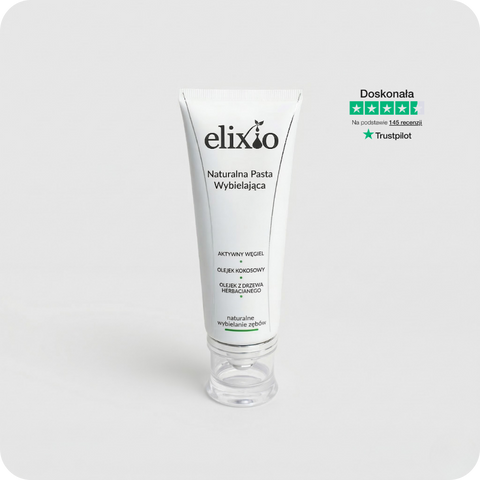
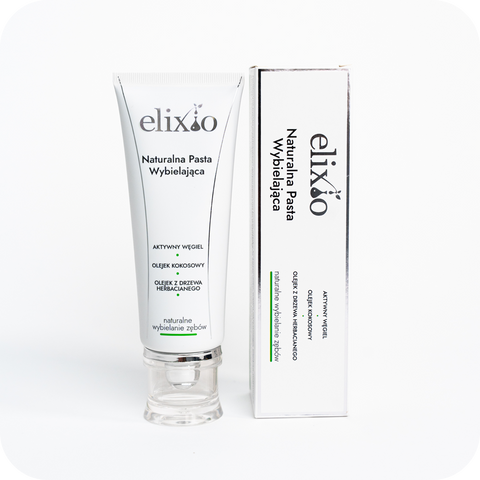
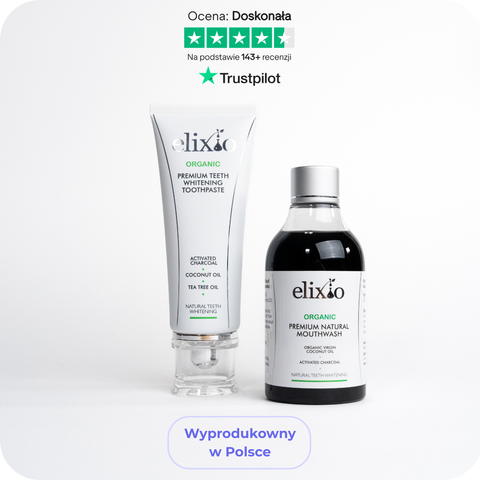
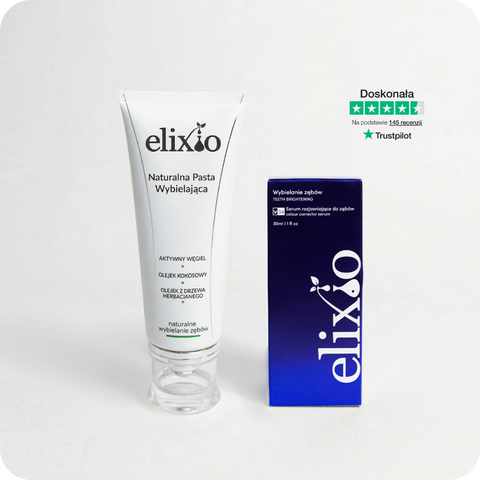
See Elixio Bubblegum-Flavoured Toothpaste.
This article is educational. Ask for professional advice when choosing toothpaste for a young child.