
Hydrogen peroxide is used in some professional treatments and ready-made whitening products. That does not mean household hydrogen peroxide should be applied directly to the teeth or used as a mouth rinse. Without control over concentration, contact time and gum protection, irritation can occur easily.
Why is professional treatment different from a DIY experiment?
Professional procedures take into account the condition of your teeth and gums, as well as cavities, fillings and sensitivity. Applying an uncontrolled amount at home offers none of these safeguards and may cause burning, white patches on the oral mucosa or increased sensitivity.
What should you avoid?
- do not rinse your mouth with hydrogen peroxide unless advised by a qualified professional,
- do not apply it to individual teeth with a cotton bud,
- do not mix it with baking soda, lemon juice or toothpaste,
- do not increase the concentration,
- do not use it on a painful or damaged tooth.
How can you improve the appearance of your smile without experimenting?
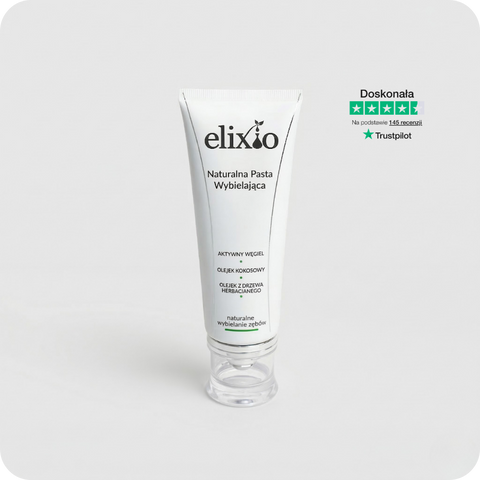
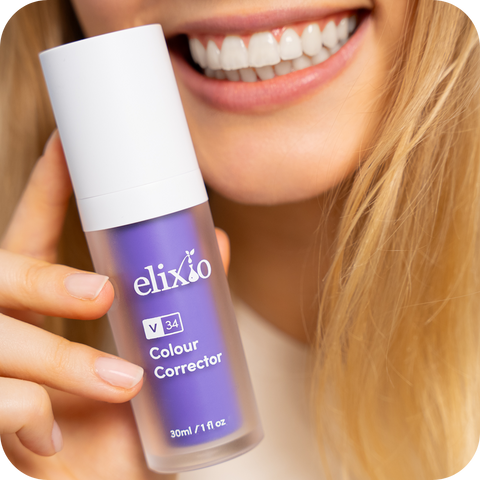
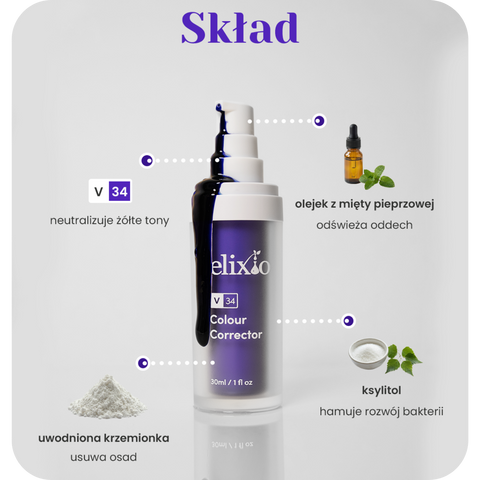
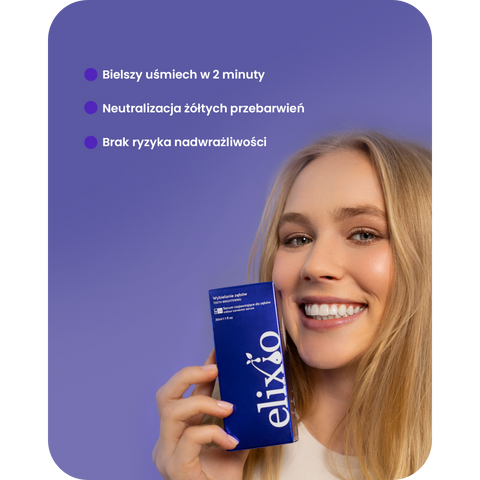
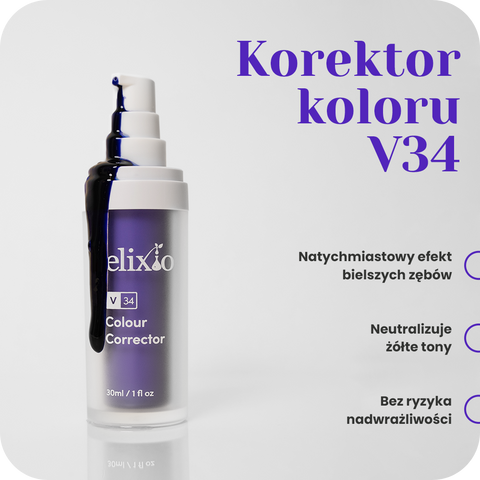
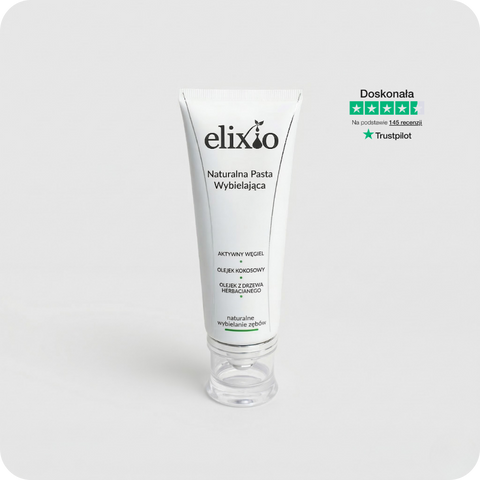
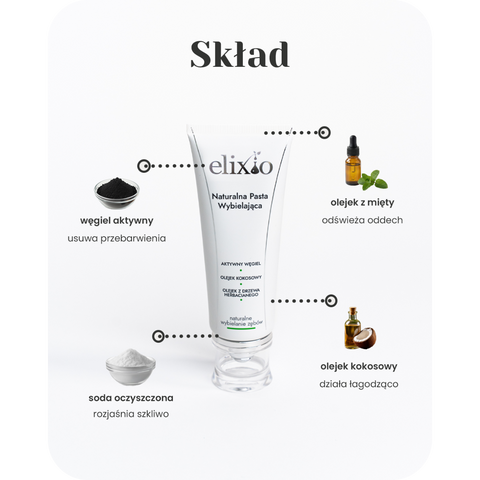
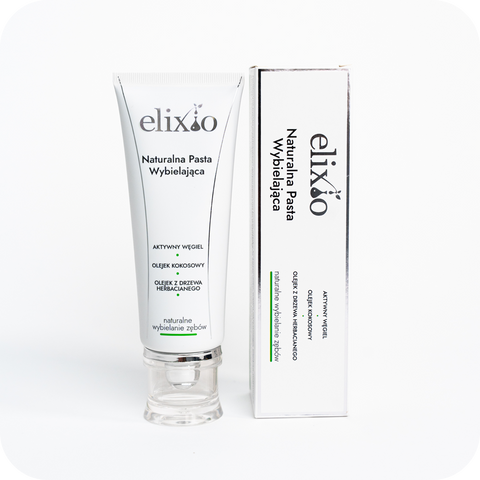
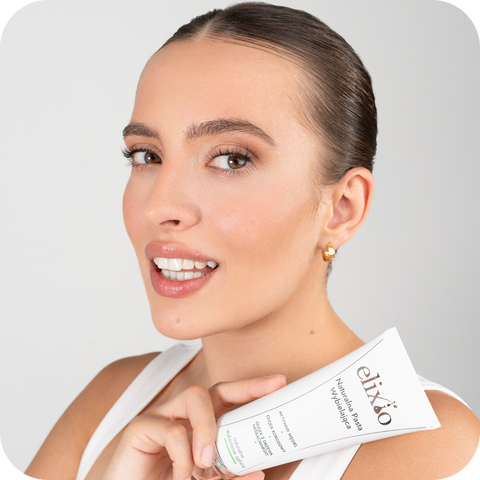
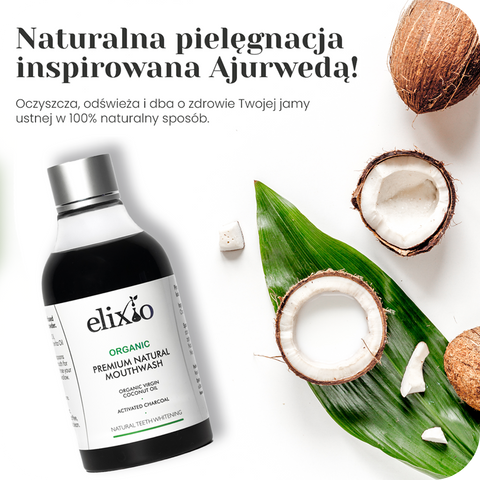
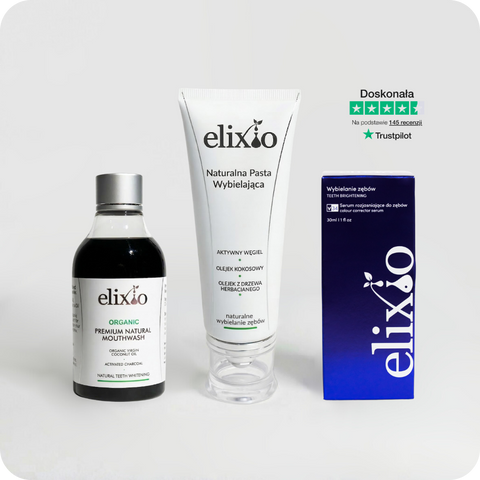
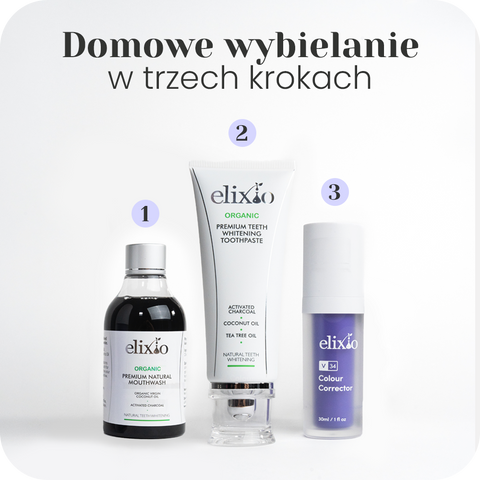
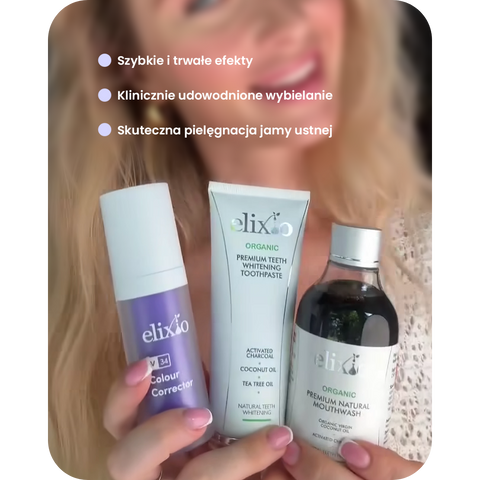
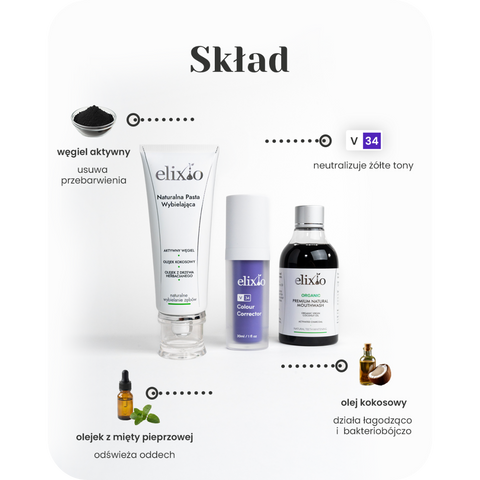
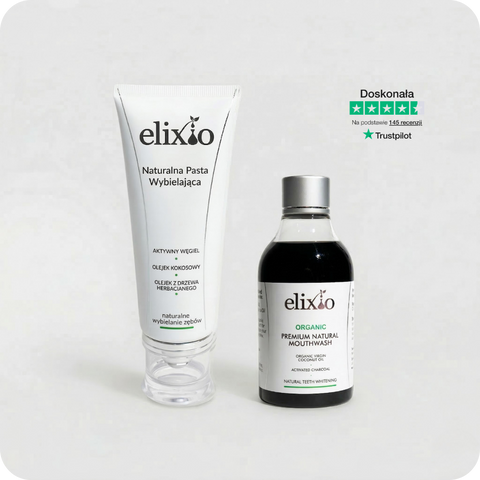
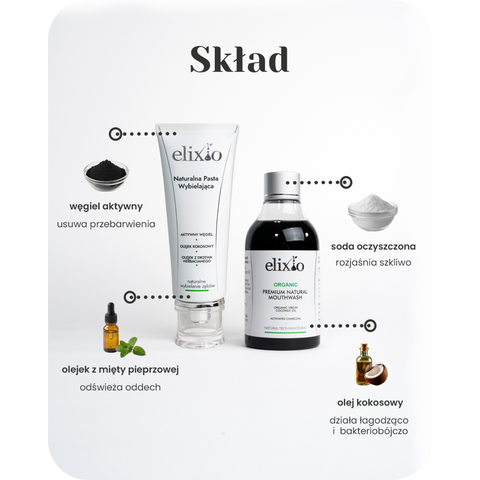
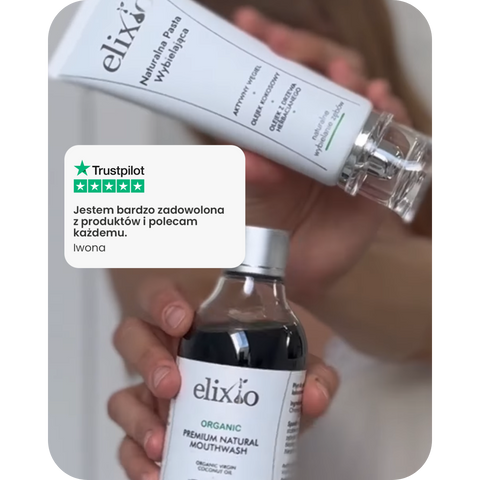
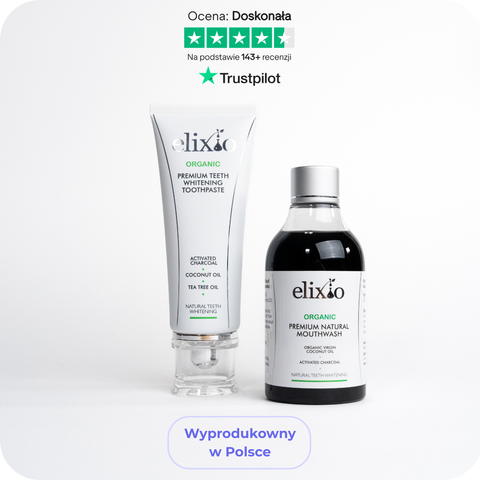
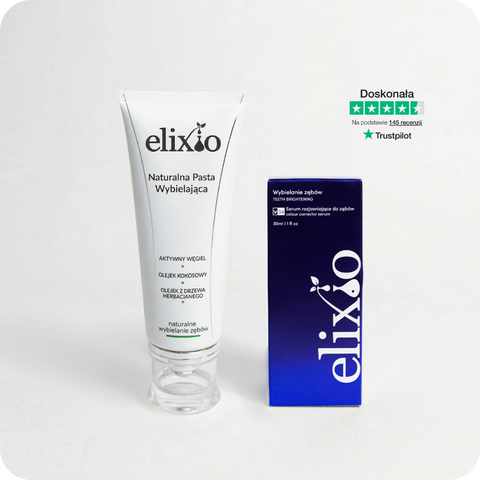
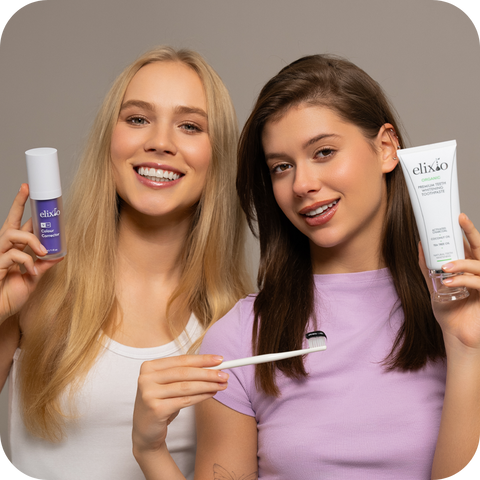
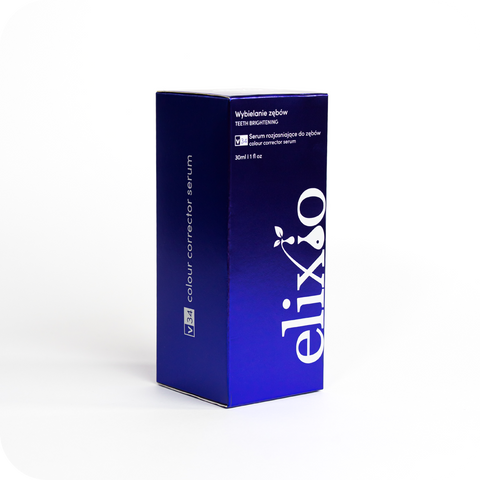
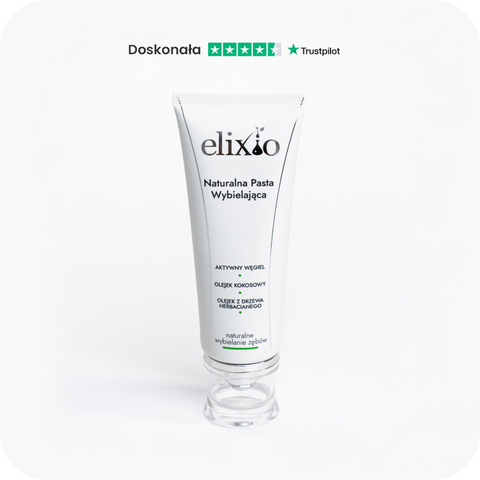
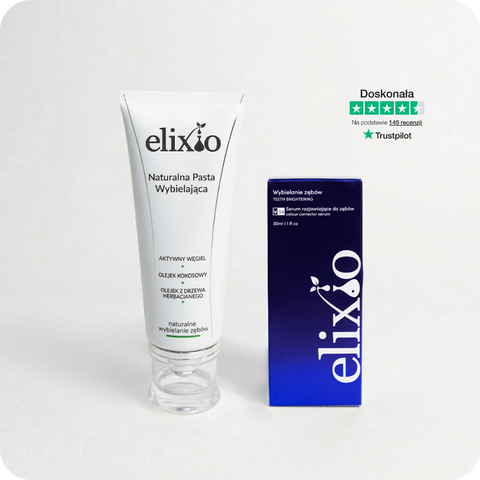
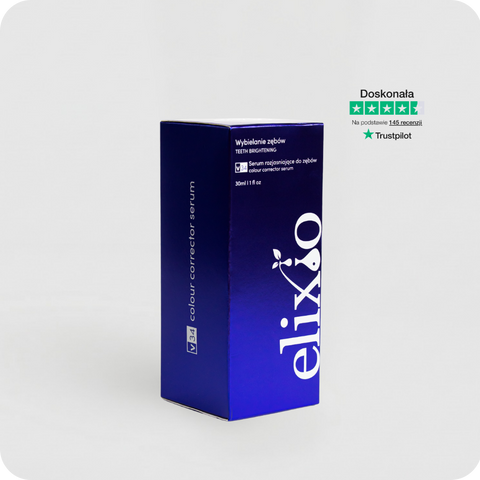
For surface stains, choose a toothpaste designed for that purpose, such as Elixio activated charcoal toothpaste. For a temporary optical effect before photos, you can consider V34 Colour Corrector. Discuss longer-lasting whitening with a dentist.
When should a tooth always be checked?
If one tooth becomes darker, hurts, reacts when you bite, or changed after an injury, do not try to whiten it yourself. It requires a professional diagnosis.
Frequently asked questions
Is a low concentration always safe?
No. Safety also depends on how the product is used, how long it remains in contact with tissues and the condition of your mouth.
Does V34 contain bleach?
V34 works optically by neutralising yellow tones rather than chemically bleaching the teeth.
See also: how to whiten teeth safely at home.