Mouthwash and oil pulling can both be optional additions to oral care, but they are not the same. They differ in composition, method, rinsing time and purpose. Neither replaces brushing or cleaning between the teeth.
Mouthwash
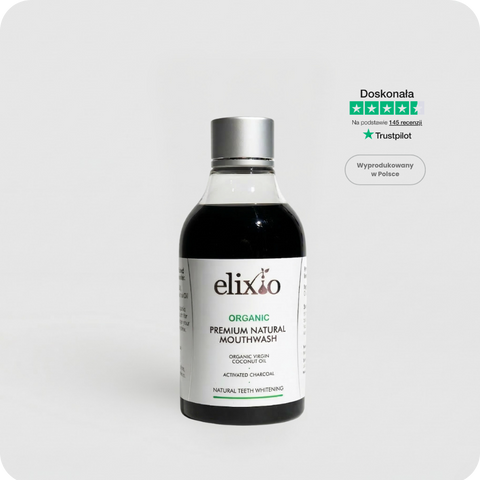
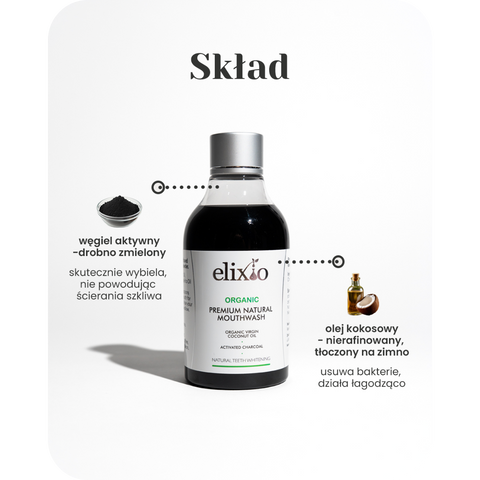
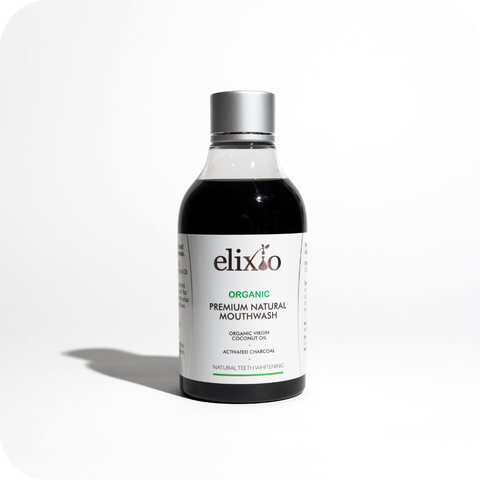
Ready-to-use mouthwashes may contain cosmetic or active ingredients, and their intended use depends on the particular product. Some mainly freshen the mouth, while others are intended for specific needs. Always read the directions and check whether the product contains alcohol, fluoride or ingredients that require limited use.
What is oil pulling?
Oil pulling means moving oil, usually coconut oil, around the mouth for a set time and then spitting it into the bin. It is a supplementary care ritual rather than a treatment.
Key differences
| Feature | Mouthwash | Oil pulling |
|---|---|---|
| Time | Usually brief and according to the label | Usually a longer ritual |
| Composition | Water and various active or flavouring ingredients | Oil |
| Purpose | Depends on the product formula | A supplement to the routine and a feeling of freshness |
| Replaces brushing? | No | No |
Which should you choose?
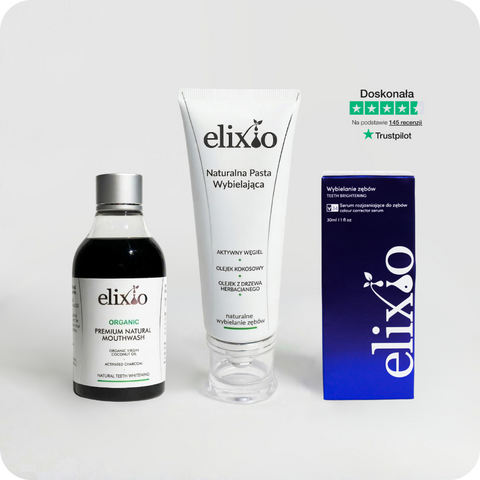
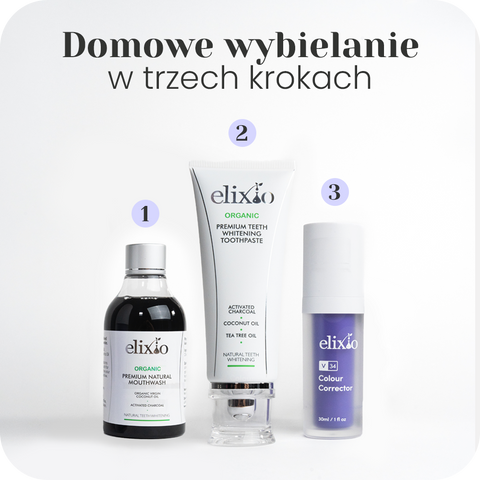
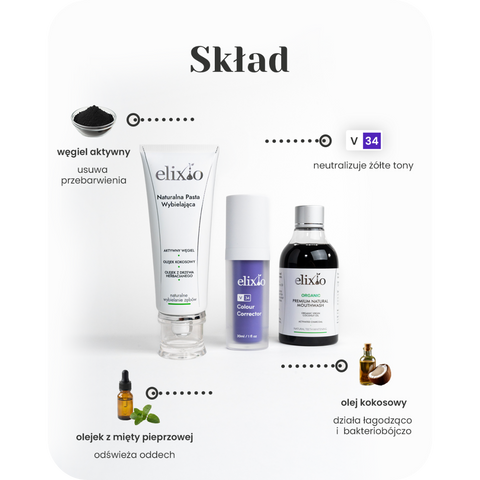
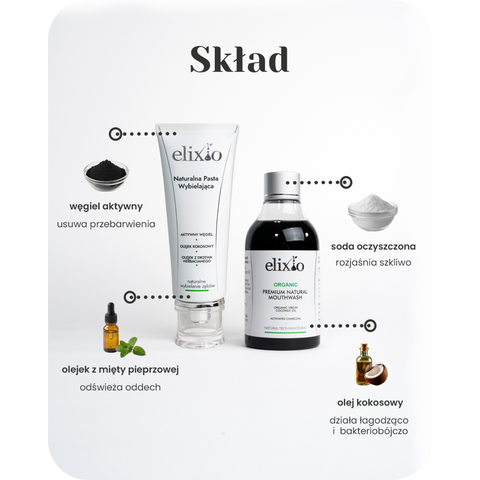
Choose the option that fits your goal and tolerance. If a dentist has recommended a specific mouthwash, use it as directed. If you want a morning ritual without the intense taste of some mouthwashes, you may consider oil pulling. One option is Elixio coconut oil.
Safety rules
- Do not swallow mouthwash or oil.
- Do not exceed the manufacturer's directions.
- Spit oil into the bin, not the sink.
- Do not postpone brushing or interdental cleaning.
- Stop using the product if irritation occurs.
FAQ
Can both methods be used?
They can, but adding more products is not always necessary. Consistent, correct basic hygiene matters most.
Which gives an immediate feeling of fresher breath?
A strongly flavoured mouthwash may provide a faster sensation of freshness, but that sensation does not necessarily mean that the cause of odour has been removed.
This article is educational and does not replace advice from a dentist.