
Fluoride is one of the most studied ingredients in preventive dentistry. It is neither a miracle cure nor something that must automatically be feared. Its benefit and safety depend on dose, method of use and individual needs.
What is fluoride?
Fluorides are compounds containing fluorine. They occur naturally in water, soil and some foods. Dental products use controlled concentrations of compounds such as sodium fluoride or sodium monofluorophosphate.
How does fluoride protect teeth?
After food or drink, bacteria in dental plaque produce acids that remove minerals from enamel. Fluoride supports remineralisation and helps the surface become more resistant to later acid attacks. It can also reduce bacterial acid production under certain conditions.
Fluoride does not replace brushing, cleaning between teeth or limiting frequent sugar exposure. It is one part of a preventive routine.
Topical and systemic exposure are different
Toothpaste is intended mainly for topical use and should be spat out. Drinking water, supplements and swallowed products create systemic exposure. Discussions about fluoride should identify the source and dose instead of treating every exposure as identical.
Is fluoride toothpaste safe?
Fluoride toothpaste is considered safe when used according to age-appropriate directions. Problems are most likely when young children repeatedly swallow too much during tooth development. Supervision and a small amount of toothpaste reduce this risk.
How much toothpaste should children use?
Advice can vary by country, product concentration and individual risk. Common guidance uses a smear or rice-grain amount for very young children and a pea-sized amount from about age three. An adult should supervise brushing and teach the child to spit. Follow local professional guidance and the product label.
What is dental fluorosis?
Dental fluorosis is a change in developing enamel associated with excessive systemic fluoride exposure while teeth are forming. Mild forms may appear as faint white lines. It does not arise from fluoride touching fully developed adult teeth. Preventing repeated swallowing is more useful than avoiding effective topical care.
Who may need personalised advice?
- children who cannot reliably spit,
- people using several fluoride products,
- people with a prescription high-fluoride toothpaste,
- households with unusually high natural fluoride in water,
- people with kidney disease or special medical needs,
- patients with very high decay risk, dry mouth or exposed roots.
Fluoride-free toothpaste
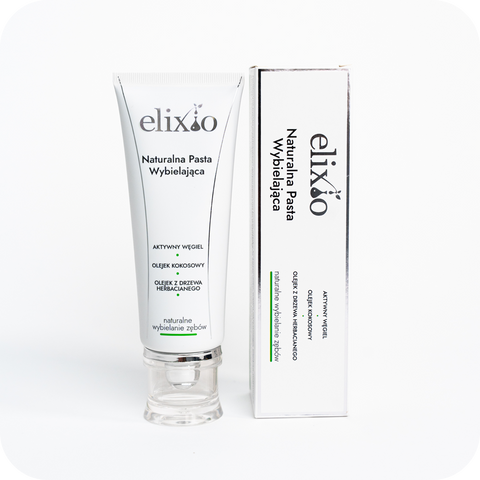
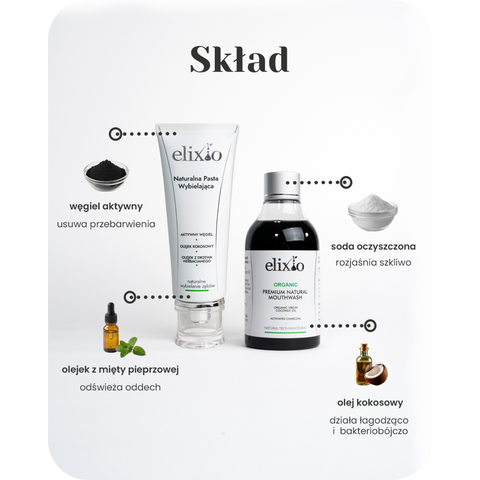
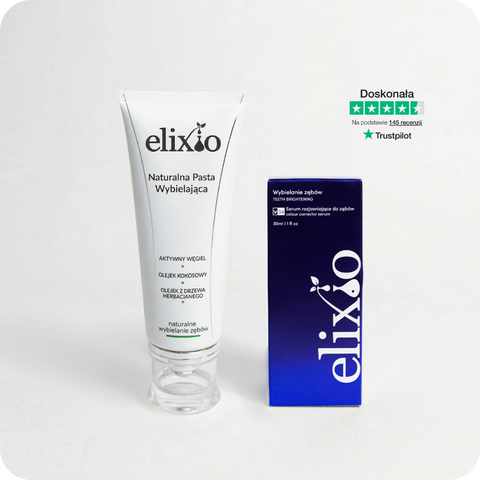
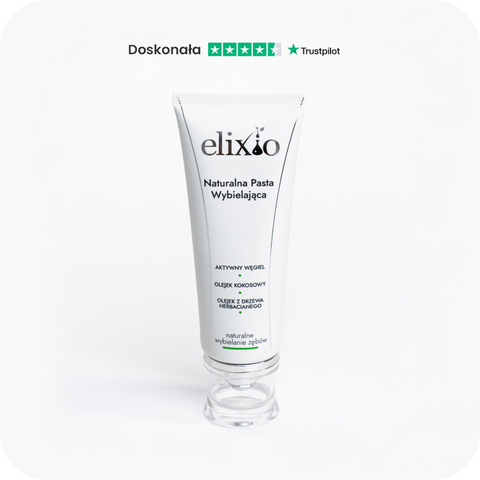
Some people choose fluoride-free products for taste or personal preference. Check what evidence supports any claimed cavity-protection ingredient. A pleasant brushing experience can improve consistency, but flavour and foam do not prove protection against decay.
How to read a toothpaste label
Look for the fluoride compound and concentration, often shown as ppm F. Products for young children, standard adult toothpastes and prescription-strength products serve different purposes. Do not compare one number without considering age and professional advice.
FAQ
Is fluoride natural?
Fluoride occurs naturally in water and soil. Dental products use controlled amounts of specific fluoride compounds.
Should you rinse after brushing?
Many guidelines advise spitting out excess toothpaste without vigorous rinsing, so the active ingredient remains on the teeth longer. Follow individual dental advice.
Can fluoride toothpaste be used during pregnancy?
Routine brushing with fluoride toothpaste remains recommended during pregnancy. Use it as directed and spit it out.
Does bleeding gum mean fluoride should be stopped?
No. Persistent bleeding more often indicates plaque, inflammation or traumatic brushing and should be assessed if it continues.
Summary
Fluoride is a well-supported tool for preventing tooth decay. The practical safety measures are correct dosing, spitting out toothpaste, supervising children and choosing a product appropriate for individual risk.
Further reading
This article is educational and does not replace individual dental advice.