
Oil pulling means gently moving oil around the mouth for several minutes. The practice has roots in Ayurvedic tradition and is now used as an optional addition to oral care. It does not replace brushing with fluoride toothpaste, interdental cleaning or dental treatment.
What is oil pulling?
Place a small amount of oil, usually coconut oil, in your mouth and move it gently between the teeth. Spit it into a bin rather than the sink, as fat may build up in drains. Rinse with water and continue with your normal oral-care routine.
The movement should be relaxed. Forceful swishing can tire the jaw and aggravate the temporomandibular joint.
How to do oil pulling step by step
- Start with a small amount, around one teaspoon.
- Swish gently for about five minutes.
- If comfortable, gradually increase to 10–15 minutes.
- Do not swallow the used oil.
- Spit it into a bin, rinse and brush your teeth normally.
Twenty minutes is not a requirement. A longer session does not automatically produce a better result; comfort and consistency matter more.
What benefits can you realistically expect?
Clinical studies are limited, often small and use different methods. Some suggest reductions in certain oral bacteria or improvements in selected hygiene measures, but reviews emphasise that the evidence remains limited. Oil pulling should not be considered an alternative to established preventive care.
It may provide a pleasant clean-mouth feeling. Claims about whole-body “detox”, curing disease, removing hardened tartar or treating gum disease are not supported by solid clinical evidence.
Does oil pulling whiten teeth?
There is no convincing evidence that coconut oil chemically whitens enamel. Teeth may feel smoother or look cleaner after rinsing, but this is not equivalent to professional whitening. Read more in Does coconut oil whiten teeth?
Oil pulling and gums
Gentle rinsing is usually comfortable for healthy gums. Persistent bleeding, pain, swelling or bad breath should be assessed by a dentist or hygienist. Oil cannot remove tartar below the gumline or treat periodontitis. See our guide to coconut oil and gums.
Morning or evening?
There is no strong evidence that time of day changes the effect. Choose the time that fits your routine without causing you to skip brushing. See Oil pulling in the morning or evening?
Which oil should you choose?
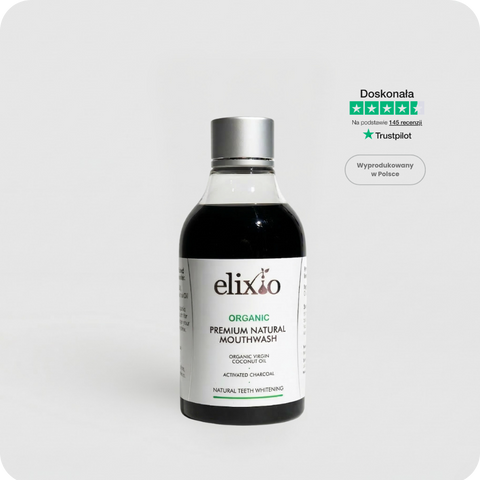
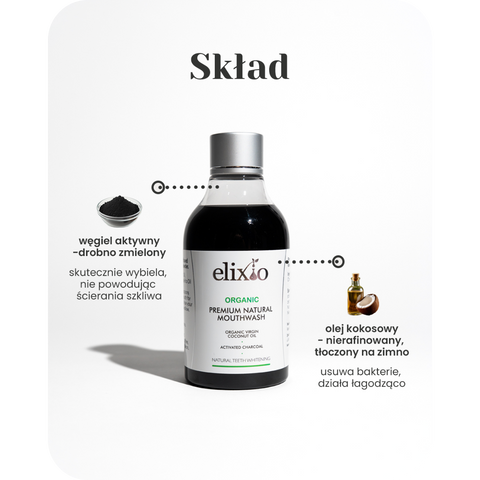
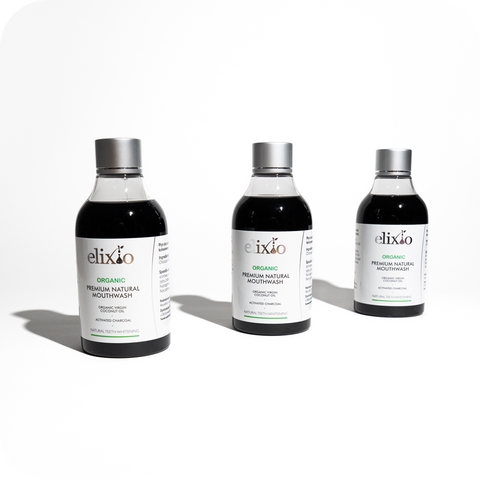
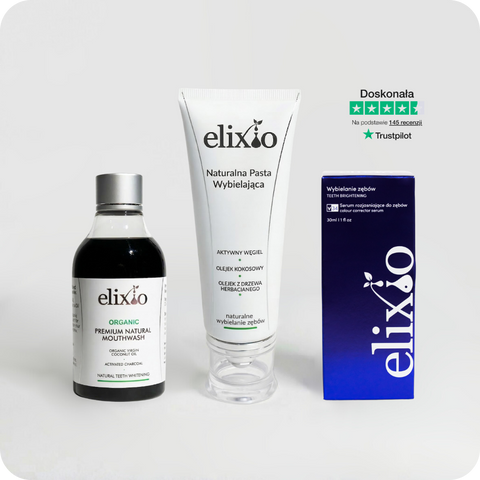
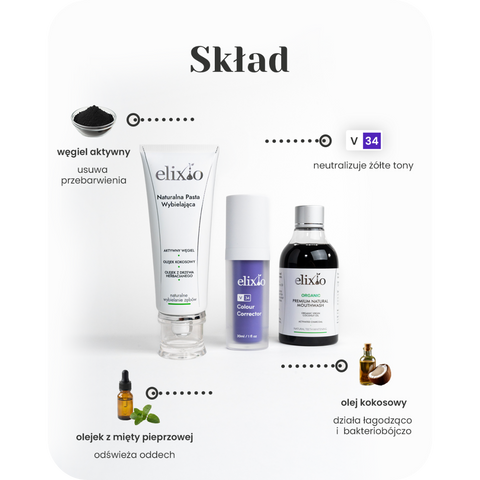
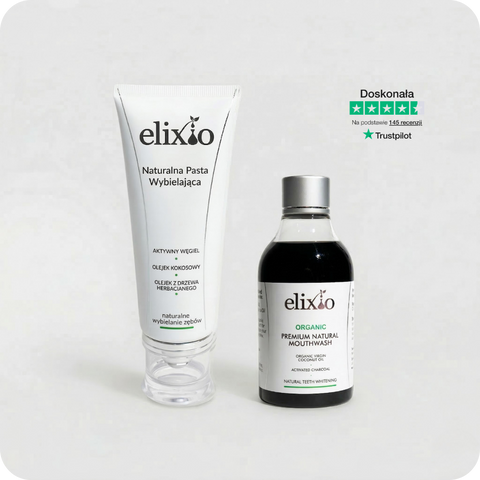
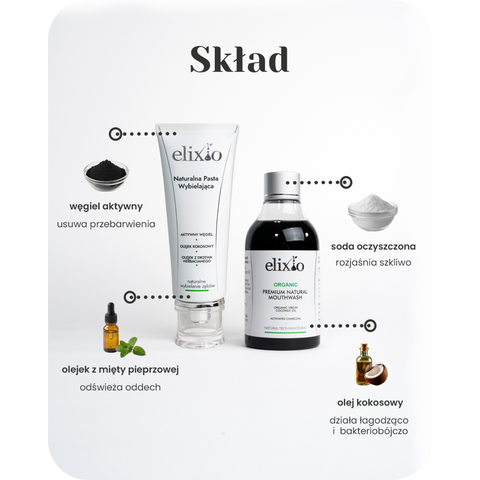
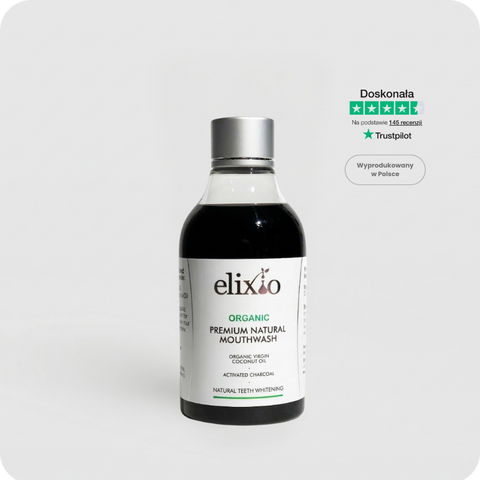
Coconut oil is commonly chosen for its taste and texture. Use a fresh product with a clear ingredient list and follow storage directions. Elixio Coconut Oil Pulling Mouthwash is prepared for convenient use in an oral-care routine.
Do not add large amounts of essential oils yourself. Concentrated aromatic ingredients may irritate oral tissues and some must not be swallowed.
Contraindications and precautions
- Do not use it for young children or anyone at risk of swallowing or aspirating oil.
- Stop if you cough, feel short of breath or nauseous, develop jaw pain or irritation.
- Avoid coconut products if you have a coconut allergy.
- After oral surgery, follow your clinician’s instructions only.
- Do not delay care for pain, an abscess, swelling or loose teeth.
Aspiration of oil is rare but potentially serious, so the practice is unsuitable for people with swallowing difficulties.
Common mistakes
Swallowing the oil
Used oil contains saliva and material collected from the mouth. Spit it out.
Replacing brushing
Oil pulling does not supply fluoride or remove plaque as predictably as brushing and interdental cleaning.
Swishing too forcefully
Gentle movement is enough; vigorous swishing may cause muscle and joint discomfort.
Expecting medical treatment
It is not a treatment for systemic disease or a proven detox method.
How to combine it with normal oral care
- Use oil pulling as an optional first step.
- Spit out the oil and rinse with water.
- Clean between the teeth.
- Brush for two minutes with suitable toothpaste.
- Follow any additional advice from your dentist.
If oil pulling is unpleasant or takes time away from more important steps, simply omit it.
FAQ
How long should you oil pull?
Begin with five minutes and, if comfortable, work towards 10–15 minutes. Read How long should you do oil pulling?
Can you do it every day?
A healthy adult who tolerates it may use it as an optional routine step, but daily use is not essential.
Does it remove tartar?
No. Hardened tartar requires professional removal.
Should you brush after oil pulling?
Yes. Oil pulling does not replace brushing or cleaning between the teeth.
Summary
Oil pulling can complement oral care when expectations remain realistic. Brush twice daily, clean between the teeth and attend regular check-ups. Use oil gently, never swallow it and do not treat it as medical care.